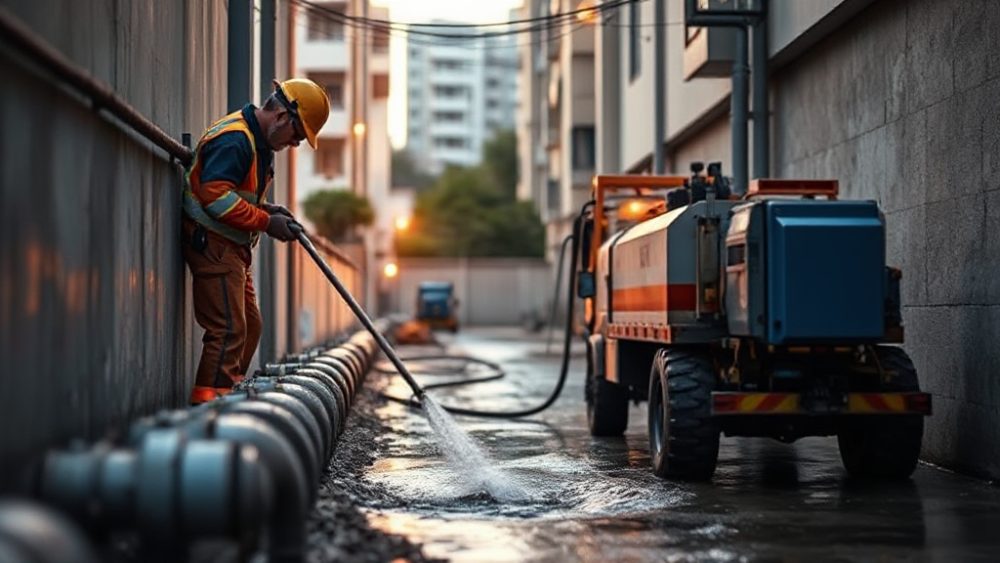
Testing the Drain Myths Mandaqui Residents Still Believe
“Just pour boiling water down the drain—it melts the grease.” That piece of advice echoes through Mandaqui buildings so often that it has become folklore. But like any good hypothesis, it deserves a test. In this lab of plumbing reasoning, we’ll examine the most common drain beliefs held by residents of Mandaqui, São Paulo, and see whether they hold up against how pipes actually work. If you need professional help, a reliable desentupidora Mandaqui São Paulo SP can separate fact from fiction on site.
Myth 1: Boiling Water Melts Grease and Clears the Drain
Belief: A pot of boiling water will dissolve kitchen grease and send it on its way.
Reasoning: Grease does soften with heat, but as it cools downstream it re-solidifies and coats the pipe walls. In older Mandaqui homes with cast-iron or PVC pipes, repeated boiling-water treatments can also stress joints. The real fix is mechanical removal or enzymatic treatment—not a thermal trick that only shifts the problem a few meters away. A professional desentupidora Mandaqui will use hydro-jetting to strip the grease layer completely.
Myth 2: Chemical Drain Cleaners Are a Safe Monthly Habit
Belief: A cup of caustic soda every month keeps pipes clear and prevents clogs.
Reasoning: Caustic products generate heat and can damage older pipes, rubber gaskets, and even septic systems. They also create dangerous fumes in small bathrooms. In condominiums, repeated use can corrode shared stacks. The safer approach is preventive maintenance with a professional service that inspects and cleans the line without harsh chemicals. Many building managers in Mandaqui now schedule annual check-ups instead of relying on store-bought solutions.
Myth 3: A Plunger Works for Every Clog
Belief: One good plunge will clear any blockage, from a sink to a toilet.
Reasoning: Plungers work on pressure and are effective for soft blockages near the fixture. But they can’t clear a main line blocked by roots, scale, or solid debris. Worse, forcing pressure on a severely blocked pipe can cause leaks at weak joints. Knowing when to stop plunging and call a desentupidora em Mandaqui São Paulo SP saves time and prevents water damage.
Myth 4: Home Remedies Like Baking Soda and Vinegar Are Enough
Belief: A fizzy mix of baking soda and vinegar will dissolve soap scum and hair.
Reasoning: The reaction produces gas and mild agitation, but it doesn’t break down hair or heavy soap deposits. It may loosen light grime, yet it won’t restore flow in a partially blocked drain. Think of it as a maintenance rinse, not a cure. For recurring slow drains, the cause is usually deeper in the trap or branch line, and a camera inspection is the only way to see it.
Myth 5: If Water Drains Slowly, It Will Fix Itself
Belief: A slow drain is just a temporary hiccup that clears on its own.
Reasoning: Slow drainage is an early warning sign of buildup. Ignoring it allows grease, hair, and debris to accumulate until a full blockage occurs—often at the worst possible time. In Mandaqui’s older buildings, slow drains can also indicate tree roots entering the lateral line. Early intervention by a professional is cheaper than an emergency call at midnight.
Myth 6: You Can Flush Anything Labeled “Flushable”
Belief: Wipes and paper towels marked flushable are safe for the sewer system.
Reasoning: “Flushable” only means they pass through the toilet, not that they disintegrate. They clump with grease and form blockages in the main line. In São Paulo’s sewage network, these products are a leading cause of backups. The only truly flushable items are human waste and toilet paper. Everything else belongs in the trash.
Frequently Asked Questions
How often should I have my drains professionally cleaned in Mandaqui?
For most residential properties, an annual preventive cleaning is sufficient. Commercial kitchens and buildings with heavy usage may need quarterly service. A professional can assess your specific pipe condition and recommend a schedule.
Are chemical drain cleaners ever a good idea?
They should be a last resort, not a routine solution. They can damage pipes and pose health risks. Mechanical cleaning or hydro-jetting is safer and more effective for recurring clogs.
What should I do if my drain is completely blocked?
Stop using water immediately and avoid chemical products. Call a professional desentupidora for emergency service. Attempting to force the blockage with a plunger or wire can worsen the problem.